During the final moments of the Civil War, after corresponding via letters to discuss terms, General Robert E. Lee met with General Ulysses S. Grant at the Appomattox Court House on April 9, 1865, to formally surrender the Army of Northern Virginia to the Union’s Army of the Potomac. Lee, proud and emotional, arrived in full confederate gray military regalia, while Grant, not expecting the meeting so soon, was dressed in a more modest, shabby used uniform with mud stains on his boots. This contrast between the two leaders visually reflected the two very different characters of the generals. Grant was widely recognized for his modest demeanor and unassuming appearance, to the extent that many soldiers in his own ranks often had difficulty identifying him as the commanding lieutenant general, given his lack of formality and polished attire.1 Before their meeting at Appomattox, the two had briefly crossed paths years ago during the Mexican-American War (1846-1848). Grant, then a junior officer, remembered the esteemed General Lee and mentioned their past encounter, though Lee did not recall their earlier meeting.*
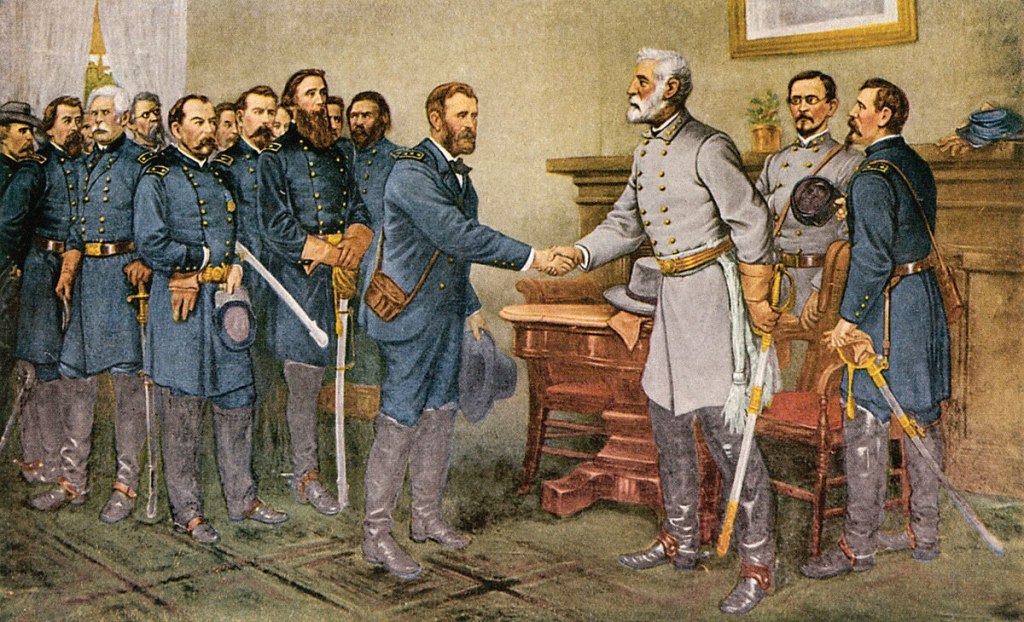
After an extended period of cordial conversation, during which Grant later reflected in his memoirs on how agreeable their exchange had been—so much so that he nearly lost sight of the meeting’s true purpose—General Lee eventually redirected the discussion to the matter at hand, inquiring about the terms of surrender. With characteristic magnanimity, shaped by the many hardships he had faced in his own career, Grant astonished Lee by offering unexpectedly generous terms for the Confederate surrender. Rather than imposing harsh punishments, Grant allowed the soldiers of the army of Northern Virginia to return home unhindered. They were provided with Union rations, allowed to keep their personal arms, and given safe passage back to their homes to resume their civilian lives. There were no trials, no confiscations, no immediate retributions—just a pathway back to peace.
Continue reading Şahin Kaya Arıkoğlu